
Many doubts arise when we consider enrolling our children in school between the ages of 0 and 3. Would they be better off at home? What kind of education should we choose? Will the teachers be respectful? Will my child suffer and have a difficult time? Is it necessary to spend money on a private school when they are so young?
Desde nuestra formación pedagógica entendemos que la sociedad ha cambiado y que cuando nuestras abuelas criaban a sus hijos lo hacían porque formaban parte de la comunidad. Los padres, principalmente la madre, no eran los únicos que se ocupaba del menor, sino que alrededor de ese infante había abuelos y abuelas, tíos y tías, vecinos y vecinas y más niños y niñas que se encargaban del de menor edad. Todos ellos formaban parte de su educación casi de forma igualitaria.
Today, family structures have changed and society has become more individualistic; this has been further exacerbated by the health crisis we have experienced this past year. Therefore, we do not doubt that a child can be well and develop healthily if they stay home, but there are many experiences they will miss out on that are very important for their development.
The psyche of the adult person is formed during the first few years.
Numerosos estudios demuestran que durante la etapa de los 0-3 años se forma la psique de ese ser que en el futuro será una persona adulta. Por supuesto, por el camino ocurrirán diversas vivencias que conformarán a esa persona, pero todo ello tendrá sus cimientos durante la primera etapa de la vida.
Each person has diverse experiences throughout their life that make your expectations about their education different when you become a mother or father.
When a boy or girl stays at home, all those expectations that their parents have of them become a burden that is carried on the child's back without them being aware of it.
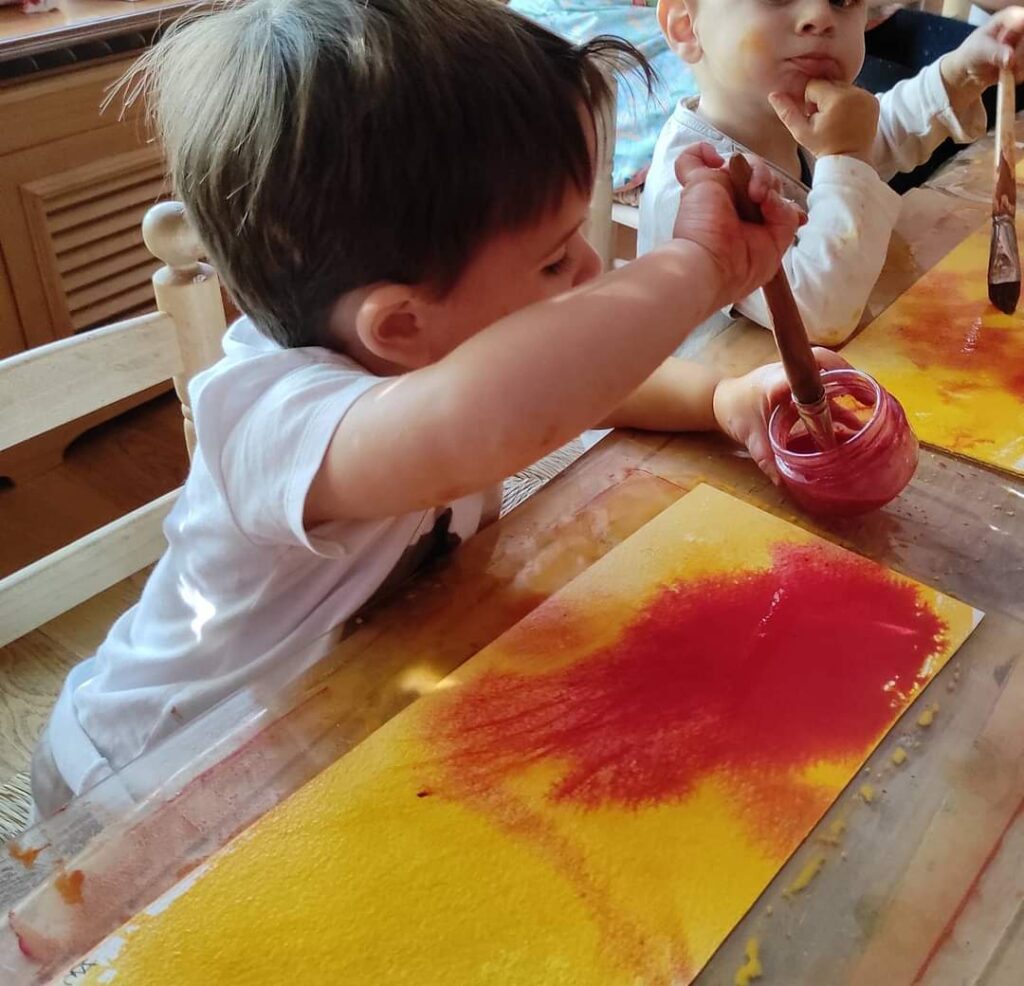
Our goal is for boys and girls to begin their development from an individual perspective.
As teachers, our sole objective is that each boy and girl who enters our Allegra Free School begins their journey from individuality towards that exploration and development of the SELF, respecting at all times their pace.
In order for this development to occur healthily, based on our training and the study of man by Rudolf Steiner,there are three pillars on which we focus for the education of this early age.
- En la escuela creamos un espacio de seguridad y confianza en el que el niño y la niña pueden desarrollar su autonomía física y emocional desde la calma. No hay prisa por adelantar procesos, sino que el respeto del ritmo de cada uno hace que puedan tener aprendizajes significativos y vivencias emocionales que le permitan autoconocerse y aprender, a partir del sostén del adulto, a gestionar esas emociones que experimenta. Una infancia sin prisa significa una infancia sana; en la sociedad en la que nos ha tocado vivir es bastante complejo poder dedicar todo el tiempo que requiere el menor, por ello en la escuela creamos un ambiente independiente que da soporte a esas necesidades de la infancia.
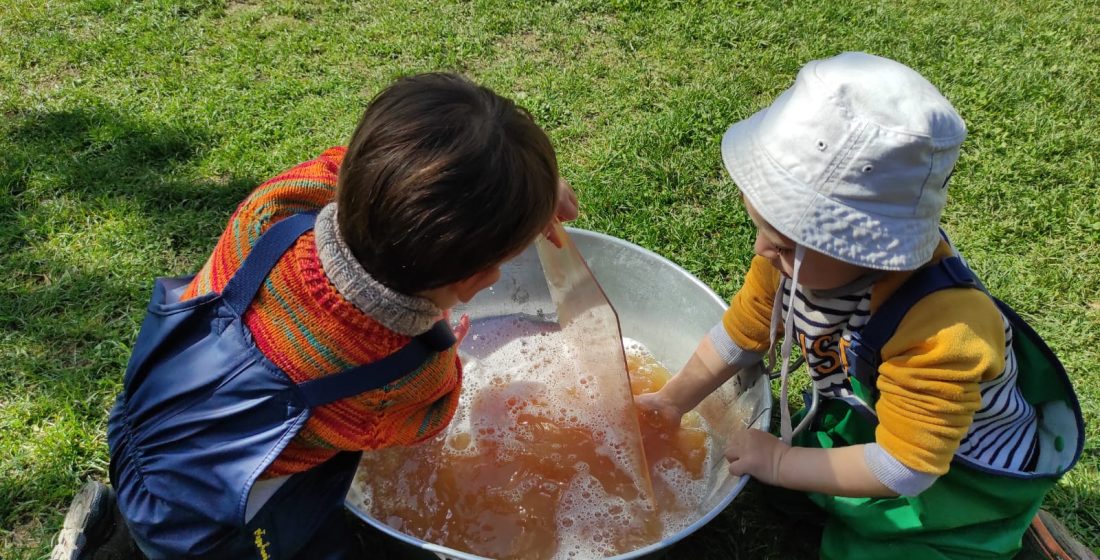
- El niño y la niña conocen el mundo a través de los sentidos. Todas las vivencias que experimentan parten del cuerpo, de modo que es primordial dejarles explorar con él. Es a partir de los sentidos desde donde se crean las bases para relacionarnos con nosotros mismos y con los demás. En nuestra Escuela Libre Allegra todo el equipo docente está muy concienciado con la importancia de la integración sensorial, de forma que cada vez pasamos más tiempo en el exterior. El contacto con la naturaleza es lo que va hacer que la integración sensorial se despierte y se potencie; el olor de la lluvia, de las flores, el tocar la tierra mojada, los colores del otoño, caminar sobre la hierba… Todas ellas son experiencias sensoriales que conectan al niño consigo mismo.
- Debemos entender que la infancia es movimiento; niños y niñas necesitan subir, bajar, saltar, trepar, gatear, correr, etc. No existe un desarrollo motor sin un trabajo físico; en estas edades el cerebro todavía no está maduro para el desarrollo cognitivo, eso vendrá una vez que se ha desarrollado el movimiento libre, el cual potenciará las conexiones neuronales necesarias para que le cerebro trabaje de forma natural. No hay infancia sin movimiento, por eso no comprendemos como cada vez se les pide a los niños y niñas que pasen horas y horas sentados prestando atención o pegados a una pantalla.
Allegra seeks to be an extension of the home; we function as a large family in which each person can exercise their role individually with the respect, trust and security that the group provides.
Trabajamos con edades mezcladas respetando el ritmo de cada persona y aprendiendo de los demás; es así como cada uno va forjando su personalidad y comprende el mundo que le rodea.